Can Fraternities Be Sued for Sexual Assault?

Sexual assault remains a pervasive issue on college campuses across the United States. Fraternities, in particular, have come under intense scrutiny for creating environments where such violence can occur. When a survivor experiences sexual assault at a fraternity, they face the trauma of the event itself and confusion about their legal options.
Can fraternities be sued for sexual assault? The answer is yes, and survivors have multiple avenues to pursue justice. But holding these organizations accountable requires understanding the legal landscape and the responsibilities fraternities have to protect students. Let’s explore how fraternities can be held liable, what legal options survivors have, and why taking action matters.
Understanding Fraternity Liability for Sexual Assault
If you’ve experienced sexual assault at a fraternity, there are ways to hold them accountable. Different legal options can help you seek justice and compensation for what happened.
Direct Liability Claims
Fraternities face direct liability when their own actions or policies contribute to an assault. This occurs when the organization knew about dangerous conditions or patterns of behavior yet failed to intervene.
For example, if a fraternity has a documented history of sexual misconduct complaints but continues hosting unsupervised parties with excessive alcohol, that organization may bear direct responsibility for subsequent assaults. The fraternity’s deliberate disregard for student safety creates a clear link between organizational decisions and harm.
Vicarious Liability Claims
Organizations can also be held vicariously liable for the actions of their members. Under this legal theory, the fraternity becomes responsible for assaults committed by members acting within the scope of their membership or during official fraternity activities.
When an assault occurs at a fraternity-sponsored event, the organization may be vicariously liable even if the perpetrator acted alone. The fraternity provided the venue, controlled access, and created the conditions where the assault took place.
Premises Liability Claims
Fraternities own or control their houses and event spaces. Property owners have a legal duty to maintain safe premises for guests. When they fail to meet this responsibility, premises liability claims become viable.
Inadequate lighting, broken locks, lack of security, or overcrowded conditions all constitute breaches of this duty. If these unsafe conditions contribute to a sexual assault, the fraternity may be liable for failing to provide a secure environment.
Common Grounds for Suing a Fraternity
If you’re considering legal action against a fraternity, know that there are clear legal avenues to pursue. Among these include proving their negligence, their failure to warn, or other ways they might be responsible for what happened. There are different types of claims that can help you seek justice.
Negligence
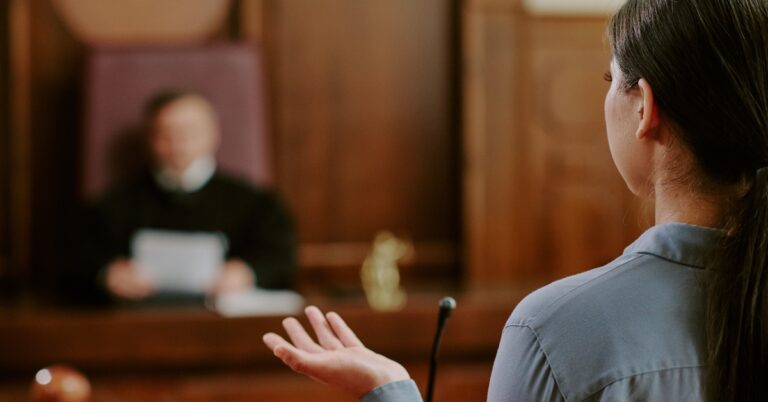
Negligence claims require proving four elements: the fraternity owed a duty of care, they breached that duty, the breach caused harm, and damages resulted. Fraternities breach their duty of care when they ignore warning signs, fail to implement safety measures, or allow dangerous situations to persist.
Consider a fraternity that continues serving alcohol to visibly intoxicated guests. If an assault occurs, the organization’s negligent alcohol service could establish liability.
Failure To Warn
Organizations aware of specific dangers must warn potential victims. If a fraternity knows that a member has a history of sexual misconduct but fails to warn other students or take protective action, that silence can constitute liability.
Sweeping complaints under the rug or protecting predatory members from consequences represents a failure to warn that puts additional students at risk.
Breach of Duty To Provide Safe Environment
Colleges and their affiliated organizations have a fundamental duty to provide safe environments for students. Fraternities breach this duty when they cultivate cultures that normalize sexual violence, discourage reporting, or retaliate against survivors.
This claim extends beyond individual incidents to challenge the systemic problems within Greek organizations that perpetuate assault.
Who Can Be Named in a Lawsuit?
When sexual assault happens within a fraternity, the blame often goes beyond just the individual perpetrator. The fraternity, its leaders, and even the university might share responsibility for failing to prevent harm and provide a safe space.
The Local Chapter
The fraternity chapter where the assault occurred typically bears primary responsibility. Local chapters organize events, control properties, and directly oversee member conduct.
The National Organization
National fraternity organizations can also face liability. These governing bodies set policies, provide training, and oversee local chapters. When national organizations ignore patterns of misconduct across chapters or fail to enforce safety standards, they may be held accountable.
Individual Members and Officers
Individual fraternity members who commit assault obviously bear personal liability. This liability also extends to fraternity officers or members who enabled the assault, covered it up, or created dangerous conditions, as they too may face individual claims.
Additionally, fraternity presidents, social chairs, or other leadership who organized unsafe events or ignored complaints can be named as defendants alongside the organization.
The University
Colleges and universities may also be liable if they failed to respond appropriately to reports of fraternity misconduct or allowed dangerous organizations to continue operating despite known risks.
Building a Strong Case Against a Fraternity

For survivors looking to pursue legal action against a fraternity, it’s a difficult path, but it can be done. What you’ll need is careful preparation and strong, clear evidence. Taking these steps is the first move toward building a case and seeking justice.
Documenting the Assault
Survivors should seek medical attention immediately after an assault. Medical records provide documentation of injuries and can preserve forensic evidence. Additionally, reporting the assault to campus police or local law enforcement creates an official record of the incident.
Gathering Evidence of Fraternity Negligence
Proving fraternity liability requires demonstrating the organization’s role in creating or failing to prevent the assault. Evidence like past instances of similar conduct, a failure to enforce safety policies, or promoting a culture that normalizes dangerous behavior all point to the organization’s liability.
Consulting With Experienced Legal Counsel
Sexual assault cases against fraternities involve complex legal questions and powerful defendants with substantial resources. Survivors need experienced attorneys who understand campus sexual assault law, organizational liability, and the tactics fraternities use to avoid accountability.
Potential Outcomes and Compensation
Civil lawsuits against fraternities can result in substantial compensation for survivors. Damages may include medical expenses for physical and mental health treatment, lost wages if the assault impacts work or school performance, and pain and suffering compensation for trauma, emotional distress, and lasting psychological harm.
Additionally, courts sometimes award punitive damages in cases involving particularly egregious conduct. These damages punish defendants and deter future misconduct.
Beyond financial compensation, lawsuits force fraternities to acknowledge their role in perpetuating sexual violence. Public accountability can drive policy changes and protect future students.
Can fraternities be sued for sexual assault? Yes, and they should be. Fraternities that create environments where sexual assault occurs or fail to protect students from predators must face consequences. Survivors deserve justice, compensation, and the satisfaction of holding powerful organizations accountable.
Tamara N. Holder’s female rights lawyers are dedicated to helping survivors seek justice for sexual assault and harassment. You don’t have to suffer in silence. If you believe you have a case, contact our compassionate legal team today for a confidential consultation. We’ll listen to your story, explain your options, and fight relentlessly for the justice you deserve.