Medical institutions have the responsibility to keep their patients safe from harm while they're receiving care. So when a doctor abuse case surfaces, it leaves many wondering, "Where did their facility's protections go wrong?" Each case can show patient safety gaps in a facility's policies, oversight systems, and reporting culture. Here are some common gaps they can point to and why failures in these areas put vulnerable patients at direct risk.
Before a doctor ever sees a patient, the hospital or clinic hiring them is supposed to verify their history. That includes past complaints, disciplinary actions from medical boards, and any prior terminations.
When that process is rushed or incomplete, a provider with a documented history of misconduct walks through the door with a clean slate they didn't earn. Patients have no way of knowing that history exists, and the facility often does too little to find it.

Many abuse cases happen during procedures or exams that take place without a chaperone in the room. Some facilities have policies requiring a second staff member to be present during certain exams, but enforcement is inconsistent.
When that policy isn't followed, patients are left alone with a provider and no witness to what happens. If something goes wrong and the patient reports it, there's no one who can confirm or contradict what was said. That absence of oversight is what makes abuse easier to commit and harder to prove.
If a patient experiences something inappropriate during an appointment, their first instinct is often to report it. But what happens when there's no clear process for doing that, or when the process that exists feels designed to protect the institution rather than the person who was harmed?
Facilities without a confidential, patient-facing reporting system create a barrier right at the moment a person needs support most. Patients may not know who to contact, may fear retaliation, or may feel like their report will go nowhere. That silence protects the provider.
Nurses, medical assistants, and administrative staff often have more daily contact with patients than the physician does. They're in a position to notice when something feels off: a patient who seems distressed after an exam, or a provider whose behavior toward certain patients is consistently inappropriate.
Without training on how to identify warning signs and what to do when they see them, that staff awareness goes nowhere. A facility that doesn't train its team to recognize and report misconduct is leaving one of its most practical safeguards unused.

A single complaint about a provider may be dismissed as a misunderstanding. But when multiple patients have raised concerns about the same person and those concerns weren't tracked or connected, that's a failure of the facility's internal recordkeeping.
Medical facilities are supposed to maintain complaint documentation and review patterns over time. When that system isn't working, a provider can accumulate a quiet trail of reports that no one ever adds up. By the time a formal investigation begins, years of warning signs have already been buried.
Some abuse cases stay hidden for years because the physician involved holds a position of authority, brings in significant revenue, or has long-standing relationships with hospital leadership. That status creates informal protection that no policy document ever spells out.
When a facility's culture prioritizes protecting a high-performing or well-connected physician over investigating a patient's report, it functions as a systemic barrier to accountability. Patients who come forward face not just the difficulty of being believed, but the weight of an institution that’s already decided whose side it's on.
Medical records are supposed to be accessed only by providers directly involved in a patient's care. When a doctor pulls up records for patients outside their caseload, that's a flag that something is off.
Facilities with proper auditing systems can catch unusual access patterns and investigate before they escalate. When those auditing systems aren't in place, or aren't reviewed consistently, inappropriate record access goes undetected. In some abuse cases, that unchecked access was one of the earliest signs of misconduct that no one caught in time.
A facility can have a written chaperone policy, a patient rights document, and a reporting hotline, and still have none of those things function the way they're supposed to in practice. The gap between what a policy says and what staff actually do is where a lot of abuse becomes possible.
When leadership doesn't audit whether policies are followed, when staff aren't held accountable for skipping steps, and when patients aren't told what protections they're entitled to, those written safeguards offer no real protection. Documentation isn’t the same as enforcement.
When a hospital parts ways with a physician due to misconduct, they're not always required to report that separation to a medical board or a national database. In some cases, a provider leaves under a vague agreement that obscures why they were let go.
That provider can then apply for privileges at another facility. Without a clear record of why they left their previous position, the new institution may approve them without knowing what happened. Patients at that next facility carry the risk that the previous one quietly handed off.
Some of the most reported cases involve exams where the patient wasn’t clearly informed about what the procedure involved, why it was necessary, or what their right to refuse or request modifications actually was.
Informed consent isn't just a form you sign at the front desk. For physical exams, it includes a verbal explanation of what the provider will do and why. When that step is skipped or treated as a formality, patients go into an exam without the information they need to recognize if something crosses a line.
Doctor abuse cases can show safety gaps that leave patients exposed to harm. Medical institutions should be taking every precaution to protect their patients from abuse at the hands of a trusted provider. When they fail on any of the responsibilities above, it can result in lasting harm to the people who came to them for care.
If you've experienced doctor sexual assault on a patient and need an experienced, compassionate legal team in your corner, contact Tamara N. Holder today. Holder has worked for years in this field to hold providers and institutions accountable. Depending on the details of your case, she can help you pursue action against the provider, and in some cases, the facility as well for failing their most fundamental duty: protecting the patients in their care.
If you've experienced abuse at the hands of an OBGYN, you may be looking for documentation to prove what happened so you can take legal action. Can your medical records help corroborate your account? In many cases, yes. Here are the ways medical records can help prove OBGYN abuse, and how to formally request yours so they're in your hands when you need them.

Medical records can show how the provider described your visit in writing. They may include the type of exam performed, the reason the provider gave for doing it, and any notes about what happened before or after the appointment. If you remember the visit differently, those records can give your attorney a place to compare the provider’s version against your account.
Here’s what medical records may include that could become relevant in an abuse case.
Your OBGYN is required to document every procedure performed during your visit. If a provider conducted an internal exam, inserted a device, or performed any other physical intervention, that should appear in your chart. If the note reflects a procedure you didn't consent to, that discrepancy is something an attorney can work with.
Before any exam or procedure, your provider is supposed to obtain your informed consent. That consent is often recorded in the file. If a procedure was performed but no consent is documented, or if the documented consent doesn't match what you were told, the record may contradict the provider’s version of events.
OBGYN notes sometimes include language about a patient's response during an exam. If a provider's own notes describe you as distressed, resistant, or asking questions, that documentation can support what you experienced in the room.
Billing codes are attached to every visit. If a procedure appears on your bill that you don't remember consenting to, or that you weren't informed about afterward, that line item may confirm the provider billed for care you didn’t knowingly agree to receive.
If you were referred to another provider after your visit, or if a follow-up was ordered, those records can establish a timeline. A sudden referral or a note about complications following a procedure can raise questions about what occurred.
Not every record will contain all this information. Some providers document minimally, and some notes are vague enough that they require an expert to interpret. That's one reason having an attorney review your records early in the process is smart.

You have a legal right to your medical records under HIPAA, the federal law that governs your health information.
Here's how to request them.
Under HIPAA, a provider generally can’t refuse to release your records to you. There are narrow exceptions, but they rarely apply in a standard request situation.
What providers sometimes do instead is delay. They may claim they need more time, that the request wasn't submitted correctly, or that certain records aren't available. If you run into repeated delays or a flat refusal, you have options.
You can file a complaint with the U.S. Department of Health and Human Services Office for Civil Rights. That office enforces HIPAA and takes complaints about records access seriously.
You can also contact an attorney. If a provider is stonewalling your records request and you believe abuse occurred during your care, an attorney can send a formal legal request that often moves things faster than a patient request alone.
One thing to keep in mind: if you're considering legal action, don’t wait to request your records. Records can be amended or updated over time, and having an early copy of your file gives you a baseline if anything changes later.
Can medical records help prove OBGYN abuse? Not always, but in many cases, yes. Records can document a procedure you didn't consent to, a provider's own account of what happened in the room, a billing charge for something you weren't told about, and a timeline that contradicts what you were told afterward. You have the right to access your full medical file, so if you believe something happened during your care, request those records as soon as you can.
And if you need legal support after a gynecologist sexual assault, consider reaching out to an attorney like Tamara N. Holder. Holder has spent years championing for survivors of doctor-patient abuse and those whose boundaries were violated during medical care. Her team can listen compassionately to what you've been through, outline your legal options, and help you build a case against your provider so you can get the accountability you deserve.
When a psychiatrist crosses a sexual boundary, it can leave you asking a very basic question: what can I actually do now? Legal options after psychiatrist-patient sexual abuse exist, and each one serves a different purpose. Some routes focus on punishment, some focus on accountability, and some focus on protecting other patients. Knowing where each path leads can help you decide what fits your situation.

A civil lawsuit allows a patient to pursue legal action against a psychiatrist for alleged sexual abuse within a professional setting. This type of case falls under civil law, not criminal law, and focuses on holding the provider financially accountable for harm caused. Claims may involve medical malpractice, sexual abuse, intentional infliction of emotional distress, or breach of fiduciary duty, depending on the facts.
To pursue a civil case, you’d start by speaking with an attorney who handles abuse cases. They’ll review what happened, gather records, and determine which legal claims apply. Evidence can include medical records, appointment history, messages, witness statements, and your own detailed account. Your attorney would then file a formal complaint in court. From there, both sides exchange information, and the case may move toward settlement or trial.
Pros:
Cons:
Reporting alleged sexual abuse by a psychiatrist to law enforcement involves initiating a criminal investigation. This route falls under criminal law, where the state prosecutes the psychiatrist for violations such as sexual assault, criminal sexual abuse, or exploitation of a patient. The focus is on determining whether a crime occurred and, if proven, imposing penalties like imprisonment, fines, or registration requirements.
To move forward, contact your local police department or a specialized unit that handles sexual abuse cases. An officer or investigator will take your statement and may ask detailed questions about what happened. From there, law enforcement gathers evidence, which can include interviews, records, and communications. If prosecutors believe there’s enough evidence, they’ll file charges and move the case through the criminal court system. You may be asked to participate in interviews or testify if the case goes to trial.
Pros:
Cons:

Filing a complaint with a state medical board is an administrative action that addresses professional misconduct by a licensed psychiatrist. Medical boards oversee licensing and enforce standards of care. When a complaint involves alleged sexual abuse, the board evaluates whether the psychiatrist violated ethical rules, licensing requirements, or patient protection laws. The outcome focuses on disciplinary action rather than financial compensation or criminal penalties.
If you want to take this route, the first step would involve submitting a formal complaint to the medical board in the state where the psychiatrist is licensed. This often involves completing a written form and providing a detailed account of what happened, along with any supporting documentation. The board reviews the complaint, may request additional information, and can open an investigation. If they find sufficient evidence, they can hold hearings and determine appropriate discipline.
Pros:
Cons:
A professional licensing complaint through a psychiatric association involves reporting alleged misconduct to an organization that governs ethical standards for psychiatrists. Groups like the American Psychiatric Association (APA) set codes of conduct for members. While these organizations don’t issue licenses, they can discipline members for violations, including inappropriate sexual conduct with patients.
For this, you need to file a complaint directly with the association, typically through an ethics committee. This requires a written statement outlining what happened, along with any supporting documentation such as messages or treatment records. The organization reviews the complaint and may conduct its own investigation. If they find a violation, they can impose sanctions, which may include suspension or permanent expulsion from the organization.
Pros:
Cons:
After something as serious as psychiatrist-patient sexual abuse, legal options can give you a way to respond instead of staying stuck with what happened. You may want answers. You may want accountability. You may want to stop this person from doing the same thing to someone else. Each of those reasons is valid, and each can shape the path you take.
If you've experienced abuse at the hands of your psychiatrist and want to pursue legal action, a lawyer can help you understand what steps may fit your situation. At Tamara N. Holder, we specialize in cases involving doctor sexual assault on patient. With experience handling these claims, we can help you pursue the justice you deserve. Reach out today to talk to a lawyer on our team.
Coming out of anesthesia can feel foggy and vulnerable. Maybe you remember pieces of what happened, or you just know something feels off in your body or your gut. It is common to second-guess yourself or worry that nobody will believe you, especially when the experience feels blurry.
Understanding the signs of sexual misconduct under anesthesia gives you language for what happened and helps you decide what to do next. These signs don’t replace a full investigation, but they give you a starting point so you can protect yourself, protect others, and talk with a lawyer or advocate who takes your experience seriously.
Pain in your genitals, anus, or inner thighs that doesn’t match what doctors told you to expect after the procedure is a major red flag. You might notice bruises, scratches, or swelling that no one mentioned before surgery.
Staff may brush it off as “normal” or make you feel dramatic for asking questions. But when your body shows clear signs of sexual contact you didn’t consent to, that deserves attention and documentation.
Before anesthesia, staff remove or adjust clothing only as needed for the procedure, and they should explain what they’re doing. If you wake up and your underwear is missing, moved, or torn without any medical reason, that’s concerning. Clothing bunched around your waist, gowns left wide open, or blankets pulled away from your pelvic area can also point to boundary violations. Your body should stay covered and respected during surgery, especially in sensitive areas.

During surgery and recovery, multiple people move in and out of the room, and there are clear roles for each person. A provider insisting on being alone with you while you’re sedated, half-awake, or just coming out of anesthesia can be a warning sign. Maybe they send other staff away or close curtains when there’s no privacy need. When someone isolates you while you have limited control, it raises questions about whether they’re following proper rules.
Even under anesthesia, some people remember flashes of what happened. You might recall hands on your breasts, genitals, or inner thighs in a way that felt sexual, not medical. You might remember a voice making sexual jokes, commenting on your body, or using slurs. Fragmented memories are still important. Writing down what you remember as soon as possible preserves details that can support a future report or legal case. Those pieces of memory deserve respect.
After a procedure, some spotting or drainage can be normal depending on the surgery. What stands out is discharge from your vagina, anus, or mouth that doesn’t match what your provider described and that feels sexual in nature. You might notice dried fluid on your thighs, buttocks, face, or bedding with no medical explanation. You know your body. Unusual fluids, especially combined with other signs, can indicate sexual contact that you didn’t consent to.
When you ask questions about your pain, bruising, or memories, staff should give clear, consistent answers. If one person says something was part of the procedure and another denies it, that inconsistency matters. You might hear changing stories about who was in the room, when you were moved, or why your clothing came off.
Shifting explanations can signal that providers are protecting each other instead of being honest with you about what happened. You deserve consistent information.
People who commit sexual abuse in medical settings often rely on power and silence. If a provider talks over you, laughs at your questions, or labels you as “confused” without actually listening, that is a problem. Staff might warn that speaking up will hurt your care or make trouble for “a good doctor.” Nobody should pressure you to keep concerns to yourself. You deserve space to ask questions, request records, and talk to someone you trust.
Patients often feel safer when a trusted person waits nearby or sits with them as they fall asleep and wake up. If staff refuse reasonable requests for a support person without a real safety or infection reason, that can be a red flag. Maybe nurses say your partner or friend cannot come back, then you later learn others had someone with them. Blocking you from support can make it easier for someone to cross boundaries while you are vulnerable.

You might wake up from a routine procedure feeling intense shame, fear, or disgust that you can’t explain. Nightmares, flashes of the operating room, or panic when you return to that facility can appear in the days and weeks afterward. Trauma responses like these can show up even if your memories feel incomplete. A therapist, advocate, or lawyer experienced with medical sexual abuse can help you sort through what you’re feeling.
Sometimes you learn later that other patients or staff have raised concerns about the same doctor, anesthesiologist, or nurse. You might see news coverage, social media posts, or court documents about sexual misconduct allegations involving your provider or facility. Even casual comments that a provider is “creepy” can carry weight when they line up with your experience. Patterns matter. Repeated complaints can support your story and show a history of boundary violations.
These signs of sexual misconduct under anesthesia don’t prove what happened, but they give you reasons to ask questions. When you keep notes, save records, and talk with trusted supporters, you get information that helps you decide whether to file a complaint, report the provider, or pursue a legal case.
If you believe you have a case against your provider, you don’t have to navigate this process alone. The team at Tamara N. Holder has taken on countless cases involving doctor sexual assaults on patients, and has fought for accountability and compensation for survivors. We’ll listen without judgment, explain your options, and give you an honest assessment of your potential case. Let us review what happened and talk with you about possible next steps.
Feb. 20, 2026
By Elise Takahama, Seattle Times health reporter
A Richland OB-GYN has been accused of medically and sexually abusing patients for years, with a state investigation and a flood of lawsuits outlining conduct ranging from invasive touching to performing major surgeries without consent.
At least 17 women have sued Dr. Mark Mulholland in King County Superior Court since August, detailing alleged instances of unprofessional conduct, verbal abuse and pelvic exams that were not medically necessary, sometimes painful and performed without gloves. The lawsuits also name Mulholland’s former employer, Providence Health & Services, headquartered in Renton, asserting that patient complaints were disregarded.
An additional 31 patients have filed lawsuits in King County Superior Court with similar allegations against Mulholland — but that solely name Providence and its Kadlec obstetrics and gynecology clinic, where he worked, as defendants.
The lawsuits come amid an investigation by the Washington Medical Commission that so far has resulted in the panel imposing restrictions on Mulholland’s medical license. Mulholland still has an active physician and surgeon license in Washington, but, per the commission, is not allowed to work with female patients while the state investigation continues.
Mulholland has not been criminally charged. Police in Richland said Thursday they are investigating.
Mulholland’s license, which he’s held for 26 years, comes up for renewal in March. It’s not clear if he will seek to renew it.
Attorneys for Mulholland did not respond to requests for comment, but have denied allegations in court documents, rejecting “any implications of negligence, liability, proximate cause.”
Providence is accused in the lawsuits of corporate negligence, and violating state discrimination and consumer protection laws. The 40 filings, with some filed by more than one patient, include plaintiff allegations from 2016 to 2025.
Emily Volland, director of communication for Providence’s Southeast Washington area, said she could not comment on ongoing litigation or the state investigation.
“We take our patient’s safety very seriously and are fully cooperating with the state in this matter,” Volland wrote in a statement.
The patients with medical malpractice claims are represented by attorneys in Seattle, and Tamara Holder, an attorney with Chicago-based Tamara Holder Law firm. In all, their teams have spoken with about 200 patients who say they were harmed by Mulholland, according to Holder.
“I hope that we can resolve this case in a way that provides a meaningful outcome for the women who have been abused,” said Holder, who went to high school in Kennewick.
Range of complaints
Patient complaints about Mulholland date back more than 20 years, but it wasn’t until the state medical board brought disciplinary charges in April that a fuller scope of the accusations against the doctor emerged.
The Tri-City Herald and other local media covered the board’s actions, leading other patients to reach out to attorneys to inquire about possible legal claims, Holder said.
In one of the lawsuits, filed Aug. 25 by Holder’s team, a patient identified as “Jane Doe 104” said Mulholland gave a “rough and aggressive” pelvic exam in 2023 that led her to scream out in pain. She told a supervisor at Kadlec’s Associated Physicians for Women clinic, the lawsuit says. The supervisor said they would look into it and call her back, but she was never contacted, the lawsuit says.
A few weeks later, the patient went to Richland police, but the department declined to further investigate. According to the case report, part of which is included in the Aug. 25 lawsuit, there was not enough evidence of a crime as the alleged misconduct “occurred during a medical examination,” an officer wrote.
Richland police Cmdr. Damon Jansen noted in an email to The Seattle Times that while law enforcement officers can investigate alleged incidents that occur during medical exams, “it is not something that happens with great frequency … due to a myriad of reasons.”
Jansen declined to elaborate on what those reasons might include.
In another lawsuit, which includes a claim of medical battery among other violations, Jane Doe 109 alleges that in 2023, she thought she would be undergoing a labiaplasty, but Mulholland ended up performing a much more major surgery — one that removed both her fallopian tubes, which left her unable to conceive. She did not consent to that procedure, the lawsuit says.
Jane Doe 110, who was 15 during her first pregnancy and when she became Mulholland’s patient, alleges he did an invasive examination without gloves. She had received hardly any gynecological care before meeting Mulholland in 2016.
It wasn’t until 2024, when she became pregnant again and started seeing a different provider for prenatal care, that she began questioning Mulholland’s behavior.
Her new provider expressed concern after the patient described his actions.
She also reported Mulholland to Richland police, the lawsuit says.
Jansen said police have not questioned Mulholland, but the department is investigating multiple allegations against him.
State inquiry
Since the Washington Medical Commission made its findings against Mulholland in April, the board has received at least 26 similar complaints about him, said Kyle Karinen, the commission’s executive director.
“That’s fairly unusual for us,” Karinen said. “I’ve worked here for a number of years and I can’t remember quite that number of complaints flowing in” after initial disciplinary charges were filed.
“That’s incredibly concerning,” he added.
The medical commission — run by 21 governor-appointed members — is housed within the state Department of Health and tasked with licensing and regulating physicians, physician assistants and certified anesthesiology assistants.
The commission’s April charges referenced reports from three patients who saw Mulholland between 2022 and 2024, during which he allegedly asked questions that made them uncomfortable and inappropriately touched them.
The commission ordered restrictions on Mulholland’s license in September.
In December, the medical commission updated its charges with accusations from six more patients alleging misconduct between 2017 and 2024. The additional patients described appointments where Mulholland allegedly instructed them to use sex toys, told them to call his personal cellphone, body-shamed them and made jokes about their vaginas, the charges say. The commission added sexual misconduct to its list of alleged violations.
The state group is reviewing four other accusations related to Mulholland, with several more “authorized for investigation” after those, Karinen said.
Mulholland has the opportunity to defend himself at an administrative hearing, where he can testify in front of a commission panel and state investigators will present evidence, Karinen said. After that, commission members will vote on what to do with Mulholland’s license.
A hearing has not yet been scheduled.
“The commission takes these cases incredibly seriously,” Karinen said. “These are a priority … and we devote an immense amount of resources into investigating these cases.”
‘Institutional failure’
In addition to bringing claims against Mulholland, Holder said the lawsuits are about “institutional failure” at Providence Kadlec.
According to the lawsuits, patients complained about him to the clinic’s staff, supervisors and its patient relations department, but felt their concerns were dismissed or ignored.
“One of the most shocking details is that after the Washington Medical Commission’s filing on April 29, (Providence) continued to allow him to work unchaperoned and without notifying patients,” Holder said.
Volland, of Providence, said Mulholland is no longer employed by Kadlec, but declined to answer questions about when he stopped practicing there.
Providence has locations in Alaska, Montana, Oregon, California and Washington.
The other lawsuits that reference Mulholland but do not name him as a defendant also include allegations of sexual abuse during medical appointments. But their claims are against Providence, Kadlec Regional Medical Center and the Associated Physicians for Women clinic, which the lawsuits argue “should have known that Dr. Mulholland was sexually abusing patients.”
Because there are separate filings against Mulholland, there will likely be multiple civil trials.
It’s a situation no one should ever face, yet it happens. You go to a doctor for a routine exam, a check-up, or to address a health concern, and the person you trust to care for you violates that trust in the most profound way. What happens next? You're likely feeling confused, hurt, and unsure of what to do. It’s important for you to know your rights after a gynecological exam assault. Understanding what constitutes assault and what steps you can take is the first move toward holding the responsible party accountable.
One of the most fundamental rights you have as a patient is informed consent. This means a doctor must explain what they’re going to do before they do it. They can’t just perform a procedure or an examination without your permission.
If a doctor performs an exam that you didn't agree to, that’a a violation of your rights. Consent is an ongoing process. Just because you agreed to an appointment doesn't mean you agreed to everything the doctor might decide to do. You have the right to say "stop" at any time. If a provider continues after you withdraw consent, that’s a serious issue. You deserve to be in control of your own body at all times.
Many people don't realize they have the right to ask for a chaperone in the room during an intimate exam. A chaperone is a third party—usually a nurse or medical assistant—who witnesses the exam to make sure everything remains professional.
If your doctor refuses to allow a chaperone or makes you feel guilty for asking, that’s a red flag. Medical boards and hospital policies almost always support the use of chaperones. If you requested one and were denied, or if a chaperone policy was ignored, it strengthens your case that your rights were violated.
Doctors are held to strict ethical standards. There’s a clear boundary between a medical exam and inappropriate touching. A gynecological exam is medical, not sexual. Any touching that has no medical purpose is a violation.
It can be hard to tell the difference in the moment because of the power dynamic. Doctors are authority figures. We’re trained to listen to them. But if the provider made personal remarks, asked invasive questions about your sex life that weren't medically relevant, or made you feel objectified, they failed in their duty of care. You have a right to be treated with dignity, not as an object.
After an incident, you might feel afraid to speak up. You might worry that no one will believe you or that the doctor’s reputation will overshadow your experience. It’s your right to report the abuse to medical boards, law enforcement, and hospital administration. You should never feel intimidated into silence.
Retaliation from a medical provider is illegal. They can’t threaten your health care access or try to smear your reputation because you filed a complaint. Reporting is a brave step. It puts the incident on record. Even if the process feels slow, lodging a formal complaint creates a paper trail that can be vital later on.
Your medical records belong to you. After an assault or a suspicious exam, those records become evidence. You have the legally protected right to request a full copy of your chart. These notes show what the doctor claimed happened during the visit.
Sometimes, what is written in the chart doesn't match what actually happened in the room. A doctor might omit details or describe a procedure differently to cover their tracks. Getting these records early prevents them from being altered later. Reviewing them can be painful, but it is often necessary to prove that the care provided didn’t match the documentation.
Beyond reporting to a medical board, you have the right to pursue civil justice. The criminal justice system punishes the offender, but the civil system is there to help you recover. This can include compensation for the emotional distress, therapy costs, and loss of enjoyment of life caused by the trauma.
Civil lawsuits hold providers and the institutions that employ them accountable. Hospitals and clinics have a duty to hire safe doctors and supervise them properly. If they failed to protect you, they’re liable. Filing a lawsuit isn’t just about money; it is about acknowledgement. It forces the system to admit that what happened to you was wrong.
You never have to go back to a doctor who hurt you. You have the absolute right to terminate the patient-doctor relationship immediately. You also have the right to transfer your care to a new provider without harassment.
Finding a new doctor after an assault can be terrifying. It takes time to rebuild trust. But you deserve medical care that feels safe. You can ask potential new providers about their policies on chaperones and consent before you even make an appointment. Taking control of who treats you is a major part of your healing journey. You’re the boss of your healthcare decisions.
If you decide to take legal action or file a report, you might worry about your privacy. Sexual assault cases often involve sensitive details. But the legal system has protections in place for victims of sexual misconduct. You have rights regarding how your name and medical history are handled during investigations.
Lawyers who specialize in this field know how to file documents that protect your identity whenever possible. Your trauma doesn’t need to become public gossip. This allows you to be completely honest about what happened without fear of judgment or exposure.
It’s important to know that your right to sue doesn’t last forever. Every state has a "statute of limitations," which is a deadline for filing a lawsuit. If you miss this deadline, you lose your right to seek justice in court.
This timeline varies depending on where you live and the specific nature of the assault. It can be confusing to figure out exactly how much time you have. That is why speaking to a lawyer sooner rather than later is so helpful. They can look at the calendar and tell you exactly what your timeline looks like. Don't let the clock run out on your rights because you didn't know the rules.
The most important thing to remember is that help is available. This experience can feel isolating, but there are advocates ready to support you. You don't have to carry the weight of this trauma by yourself. There are people who fight for patients like you every single day.
If you've experienced this kind of violation and want to understand your options, contact Tamara N. Holder. We're a team of feminist lawyers dedicated to getting you the justice you deserve. We understand that it takes immense courage to come forward, and we want to help you know your rights after a gynecological exam assault. A doctor sexual assault on a patient is a severe breach of trust and a violation of your rights, and you don't have to face the aftermath alone. We’re here to listen, to believe you, and to fight for the justice you’re owed.
Sexual assault remains a pervasive issue on college campuses across the United States. Fraternities, in particular, have come under intense scrutiny for creating environments where such violence can occur. When a survivor experiences sexual assault at a fraternity, they face the trauma of the event itself and confusion about their legal options.
Can fraternities be sued for sexual assault? The answer is yes, and survivors have multiple avenues to pursue justice. But holding these organizations accountable requires understanding the legal landscape and the responsibilities fraternities have to protect students. Let's explore how fraternities can be held liable, what legal options survivors have, and why taking action matters.
If you’ve experienced sexual assault at a fraternity, there are ways to hold them accountable. Different legal options can help you seek justice and compensation for what happened.
Fraternities face direct liability when their own actions or policies contribute to an assault. This occurs when the organization knew about dangerous conditions or patterns of behavior yet failed to intervene.
For example, if a fraternity has a documented history of sexual misconduct complaints but continues hosting unsupervised parties with excessive alcohol, that organization may bear direct responsibility for subsequent assaults. The fraternity's deliberate disregard for student safety creates a clear link between organizational decisions and harm.
Organizations can also be held vicariously liable for the actions of their members. Under this legal theory, the fraternity becomes responsible for assaults committed by members acting within the scope of their membership or during official fraternity activities.
When an assault occurs at a fraternity-sponsored event, the organization may be vicariously liable even if the perpetrator acted alone. The fraternity provided the venue, controlled access, and created the conditions where the assault took place.
Fraternities own or control their houses and event spaces. Property owners have a legal duty to maintain safe premises for guests. When they fail to meet this responsibility, premises liability claims become viable.
Inadequate lighting, broken locks, lack of security, or overcrowded conditions all constitute breaches of this duty. If these unsafe conditions contribute to a sexual assault, the fraternity may be liable for failing to provide a secure environment.
If you're considering legal action against a fraternity, know that there are clear legal avenues to pursue. Among these include proving their negligence, their failure to warn, or other ways they might be responsible for what happened. There are different types of claims that can help you seek justice.
Negligence claims require proving four elements: the fraternity owed a duty of care, they breached that duty, the breach caused harm, and damages resulted. Fraternities breach their duty of care when they ignore warning signs, fail to implement safety measures, or allow dangerous situations to persist.
Consider a fraternity that continues serving alcohol to visibly intoxicated guests. If an assault occurs, the organization's negligent alcohol service could establish liability.
Organizations aware of specific dangers must warn potential victims. If a fraternity knows that a member has a history of sexual misconduct but fails to warn other students or take protective action, that silence can constitute liability.
Sweeping complaints under the rug or protecting predatory members from consequences represents a failure to warn that puts additional students at risk.
Colleges and their affiliated organizations have a fundamental duty to provide safe environments for students. Fraternities breach this duty when they cultivate cultures that normalize sexual violence, discourage reporting, or retaliate against survivors.
This claim extends beyond individual incidents to challenge the systemic problems within Greek organizations that perpetuate assault.
When sexual assault happens within a fraternity, the blame often goes beyond just the individual perpetrator. The fraternity, its leaders, and even the university might share responsibility for failing to prevent harm and provide a safe space.
The fraternity chapter where the assault occurred typically bears primary responsibility. Local chapters organize events, control properties, and directly oversee member conduct.
National fraternity organizations can also face liability. These governing bodies set policies, provide training, and oversee local chapters. When national organizations ignore patterns of misconduct across chapters or fail to enforce safety standards, they may be held accountable.
Individual fraternity members who commit assault obviously bear personal liability. This liability also extends to fraternity officers or members who enabled the assault, covered it up, or created dangerous conditions, as they too may face individual claims.
Additionally, fraternity presidents, social chairs, or other leadership who organized unsafe events or ignored complaints can be named as defendants alongside the organization.
Colleges and universities may also be liable if they failed to respond appropriately to reports of fraternity misconduct or allowed dangerous organizations to continue operating despite known risks.
For survivors looking to pursue legal action against a fraternity, it's a difficult path, but it can be done. What you'll need is careful preparation and strong, clear evidence. Taking these steps is the first move toward building a case and seeking justice.
Survivors should seek medical attention immediately after an assault. Medical records provide documentation of injuries and can preserve forensic evidence. Additionally, reporting the assault to campus police or local law enforcement creates an official record of the incident.
Proving fraternity liability requires demonstrating the organization's role in creating or failing to prevent the assault. Evidence like past instances of similar conduct, a failure to enforce safety policies, or promoting a culture that normalizes dangerous behavior all point to the organization's liability.
Sexual assault cases against fraternities involve complex legal questions and powerful defendants with substantial resources. Survivors need experienced attorneys who understand campus sexual assault law, organizational liability, and the tactics fraternities use to avoid accountability.
Civil lawsuits against fraternities can result in substantial compensation for survivors. Damages may include medical expenses for physical and mental health treatment, lost wages if the assault impacts work or school performance, and pain and suffering compensation for trauma, emotional distress, and lasting psychological harm.
Additionally, courts sometimes award punitive damages in cases involving particularly egregious conduct. These damages punish defendants and deter future misconduct.
Beyond financial compensation, lawsuits force fraternities to acknowledge their role in perpetuating sexual violence. Public accountability can drive policy changes and protect future students.
Can fraternities be sued for sexual assault? Yes, and they should be. Fraternities that create environments where sexual assault occurs or fail to protect students from predators must face consequences. Survivors deserve justice, compensation, and the satisfaction of holding powerful organizations accountable.
Tamara N. Holder’s female rights lawyers are dedicated to helping survivors seek justice for sexual assault and harassment. You don't have to suffer in silence. If you believe you have a case, contact our compassionate legal team today for a confidential consultation. We'll listen to your story, explain your options, and fight relentlessly for the justice you deserve.
This article was published by Austin Reed at Apple Valley News on Nov 12, 2025 Updated Nov 16, 2025.
RICHLAND, Wash. — Multiple civil lawsuits are raising questions about patient safety and oversight in women’s healthcare.
The lawsuits center around a longtime Tri-Cities OBGYN, and they claim that both the doctor and the hospital system failed to protect patients. But beyond the legal fight, this is also sparking a conversation about how to rebuild trust in healthcare.
When you make an appointment with your doctor, it's about more than just your schedule. The relationship between patient and doctor should be about respect and above all, trust -- trust that you are getting information or doing things that will help you live a happy and healthy life.
But what happens when that trust is shattered
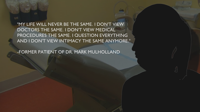
"My life will never be the same,” said a former patient of Dr. Mark Mulholland, a doctor and surgeon in Richland. “I don't view doctors the same, I don't view medical procedures the same. I question everything and I don't view intimacy the same anymore."
According to the National Institutes of Health, commonly referred to as the NIH, there isn't a lot of data that measures the extent of sexual abuse of patients by their doctors.
The reason?
Abuse goes largely underreported. Patients often times are consumed by guilt, shame, and even shock that it happened to them.
Rosanna Herrera is executive director of SARC in the Tri-Cities. SARC provides advocacy and support to survivors of crime.
"Some may even question themselves and wonder if they are overreacting,” Herrera explained. “Is this something? Should I say anything? Is my feeling valid?"
Another factor the NIH says is that even when sexual misconduct by a licensed physician is reported, very few cases are acted upon.
"That healing journey is different for each person,” Herrera said. “They may not want to go get medical care in the future. They may feel like or prolong accessing medical care because they are worried about their experience."

The topic has been put front and center locally after a Richland doctor and surgeon is under investigation by the Washington Medical Commission after being accused of having inappropriate boundaries and unprofessional conduct, including that of a sexual nature, toward his patients.
For more than two decades, Dr. Mark Mulholland practiced in Richland and was affiliated with Kadlec Regional Medical Center and its Associated Physicians for Women Clinic.
Since July, dozens of women have filed civil lawsuits accusing him of sexual misconduct and performing procedures without consent.
According to the statement of charges from the Washington Medical Commission Dr. Mulholland is accused of commenting about patients' bodies such as “body shaming” them for being overweight, or making sexual comments about body parts like their breasts and vaginas.
Patients say Doctor Mulholland would also comment about their sexual activity at length that didn't relate to a medical purpose and some patients even accuse him of touching, rubbing, or grabbing them inappropriately.
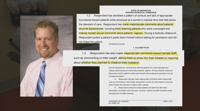
The women involved in these lawsuits say their experiences left lasting trauma. Those claims are now part of the civil filings.
"I tend to be vigilant more so now,” said another former patient. “I've done enough work to understand that this experience isn't isolated."
Attorneys representing the women say these accounts reflect warning signs seen in other states.
I just settled the largest doctor–patient sexual abuse case in Illinois’ history,” said attorney Tamara Holder, who represents some of the former patients of Dr. Mulholland. “My dad lives in Richland. He sent me the article about Mulholland and my phone went off the hook.”
Holder and co-counsel have filed multiple suits arguing the healthcare system failed to protect patients.
It's not just Doctor Mulholland under fire. It's also Kadlec Regional Medical Center. Attorneys for the women say the hospital failed to protect patients and the state medical commission says complaints made about Dr. Mulholland's behavior toward patients and staff were often rationalized, normalized and minimized, meaning patients say they weren't taken seriously.
Kadlec Regional Medical Center declined to comment on the pending litigation, but confirmed Dr. Mulholland is not currently practicing at their clinic.
Dr. Mulholland has not been criminally charged. We asked the Richland Police Department if it has an active investigation regarding Dr. Mulholland. They did not provide specific records but did tell us some records we requested are part of an active investigation.
A 2016 nationwide investigation by the U.S. National Practitioner Data Bank found that for the thousands of medical board orders for doctors who were disciplined for having a sex related offense of a patient since 1999, more than half of them were still licensed to practice.
Furthermore, the same analysis shows that medical boards did not discipline 70% of the physicians who had peer-review sanctions or malpractice payments made on their behalf due to sexual misconduct.
Advocates say even as these cases move through civil court, there’s an urgent need to rebuild trust in healthcare.
"When survivors come to us, they’re often scared and unsure where to start," Herrera said. "We connect them to counseling, legal advocacy, and medical accompaniment so they don’t have to face the system alone."
Statewide, Washington now requires written consent for pelvic exams on unconscious patients. Hospitals are also reinforcing chaperone policies and staff training.
"I'm not just in this for myself,” a former patient of Dr. Mulholland’s said. “I'm in this to speak up for the women who don't want to come forward. Who don't want to speak up. Who are afraid to speak up. Who did speak up but got ignored. Whose complaints somehow disappeared. I want to be all those people's voice."
Bottom line, these lawsuits are about more than one doctor.
They’re about accountability, trust and making sure patient safety is never just a policy on paper.
SARC says anyone who believes they’ve experienced sexual misconduct in a medical setting can call their 24-hour confidential hotline at 509-374-5391.
The lawsuits against Dr. Mulholland are still pending.
The Washington Medical Commission has ordered Dr. Mulholland to restrictions in his practice. He is not to engage in the practice of medicine with any biologically female patients or those who identify as female, including in a consulting role.
Dr. Mulholland's license to practice is currently active.
According to a recent article by the Tri-City Herald, the Washington Medical Commission has issued an interim order prohibiting Tri-Cities OB-GYN Dr. Mark Mulholland from treating any female patients amid mounting allegations from more than 100 women who say he sexually abused them under the guise of legitimate medical care. Under the agreement, Mulholland may not provide care to women in any capacity until the licensing charges are resolved.
While Mulholland did not admit or deny the allegations, the Commission’s charges describe a disturbing pattern of behavior between 2022 and 2024, layered on top of more than two decades of patient complaints. Allegations include inappropriate comments about women’s bodies, sexually suggestive remarks, aggressive and unnecessary pelvic exams, and other abusive conduct. According to the Commission, complaints were repeatedly “rationalized, normalized, and minimized,” leading to years of women’s concerns being dismissed by Providence St. Joseph and Kadlec Regional Medical Center.
The licensing order comes as civil and criminal actions continue to mount. At least 18 lawsuits have been filed in King County Superior Court, with patients alleging sexual assault, misconduct during exams, and even forced sterilization. Two criminal complaints have also been filed with the Richland Police Department.
Patients represented in these lawsuits describe a consistent pattern of abuse under the guise of legitimate medical care. Allegations range from inappropriate sexual comments during exams to physical assault, and even cases of forced sterilization. Despite repeated complaints to Kadlec Regional Medical Center and its parent company, Providence, patients say their concerns were ignored or dismissed.
Patients describe a consistent pattern: abuse disguised as medical care, coupled with institutional negligence that allowed Mulholland to continue practicing. These lawsuits aim to hold both Mulholland — and the institutions that enabled him — accountable for decades of harm. And as the cases progress, more women continue to come forward with their stories.
If You Have Information:
If you or someone you know has been mistreated by Dr. Mulholland, we encourage you to reach out to SGB and tell your story. Time to come forward may be limited.


