You may have heard the term "negligent supervision" before, discussed in connection to medical misconduct cases. But what is it? And what does it mean for a case? Here's what you need to know before you decide whether it applies to your situation.
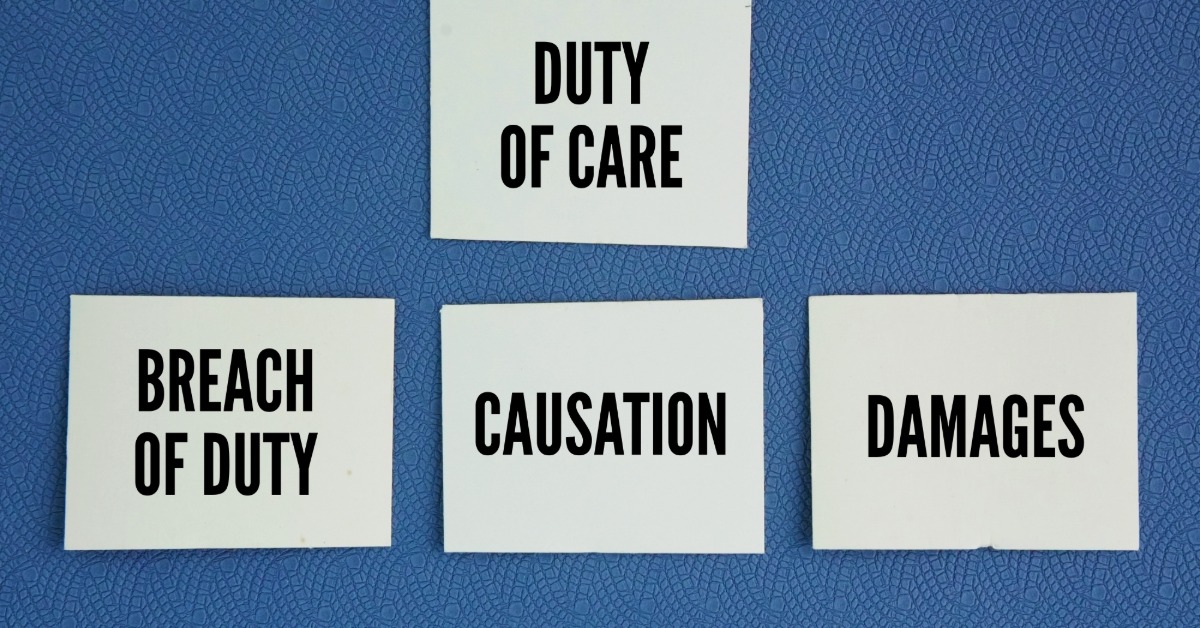
Negligent supervision is a legal concept that holds an employer, institution, or authority figure responsible when someone under their watch causes harm, and that harm could have been prevented with reasonable oversight.
In a medical setting, that authority figure is often a hospital, clinic, or practice. The person causing harm is usually a staff member, physician, or other provider working under that institution's roof.
The key question in a negligent supervision claim isn't only what the individual did. It's what the institution knew, or what they should have known, and whether they acted on it. If a hospital had reason to believe a provider posed a risk to patients and did nothing, that inaction can become part of your legal case.
This matters in abuse cases because it shifts the conversation beyond one individual. It asks who had the power to stop this, and why they didn't.
Negligent supervision doesn't look the same in every case. The way it shows up depends on who held authority, what they knew, and how they responded.
Before a provider ever sees a patient, an institution has an obligation to vet who they're bringing in. That includes reviewing licensure history, checking for prior complaints or disciplinary action, and verifying credentials.
When a hospital or clinic skips those steps, or ignores red flags that a basic background review would have uncovered, they give a harmful provider access to patients. If that provider later commits abuse, the institution’s failure to screen may support a negligent hiring claim.
Some of the most devastating negligent supervision cases involve providers with documented complaint histories. A patient reported something. A colleague raised a concern. Someone filed an internal grievance. And nothing changed.
When an institution receives a complaint about a provider and doesn't investigate, doesn't discipline, and doesn't inform patients, they've made a choice to protect the provider over the people in their care. That decision has legal consequences.
Oversight doesn't end at the hiring stage. Institutions have an ongoing responsibility to monitor how providers interact with patients, especially in situations where vulnerability is built into the dynamic.
What does that look like in practice? It can mean reviewing patient feedback, requiring chaperones during certain examinations, or conducting periodic performance reviews. When none of that is in place, and a provider takes advantage of that absence, the institution's lack of monitoring becomes relevant to any legal claim.
Sometimes the institution does know. A complaint surfaces. An internal investigation begins. And the provider is quietly moved to a different department, or allowed to keep practicing while the situation is reviewed, or simply never removed at all.
Keeping a provider on staff after warning signs surface, without adequate safeguards, is its own form of negligent supervision. The institution had an opportunity to protect future patients and chose not to.

If you experienced abuse at the hands of a medical provider, you may be wondering whether you can only pursue the individual who harmed you, or whether the institution behind them carries any responsibility. Negligent supervision is one of the legal theories that can expand that answer.
Here's how it can affect the shape of your case:
Not every case will involve negligent supervision, and not every form of it will apply to yours. What you're looking for is a connection between what the institution failed to do and what happened to you.
What does negligent supervision mean for patients navigating a medical abuse case? It means the institution behind your provider may carry legal responsibility for what happened to you. This can change the scope of your case considerably; for example, it may make it possible to hold the hospital or clinic, in addition to the individual provider, accountable for their failure to protect you, or to recover damages that reflect the full extent of that institutional failure.
Tamara N. Holder is a Chicago-based doctor sexual assault lawyer who has handled cases involving negligent supervision across a range of medical abuse situations. If you believe it was a factor in your experience and want to understand your legal options, contact Holder's team today. They can review the details of your case, identify whether institutional liability applies, and help you move forward with the support you deserve.