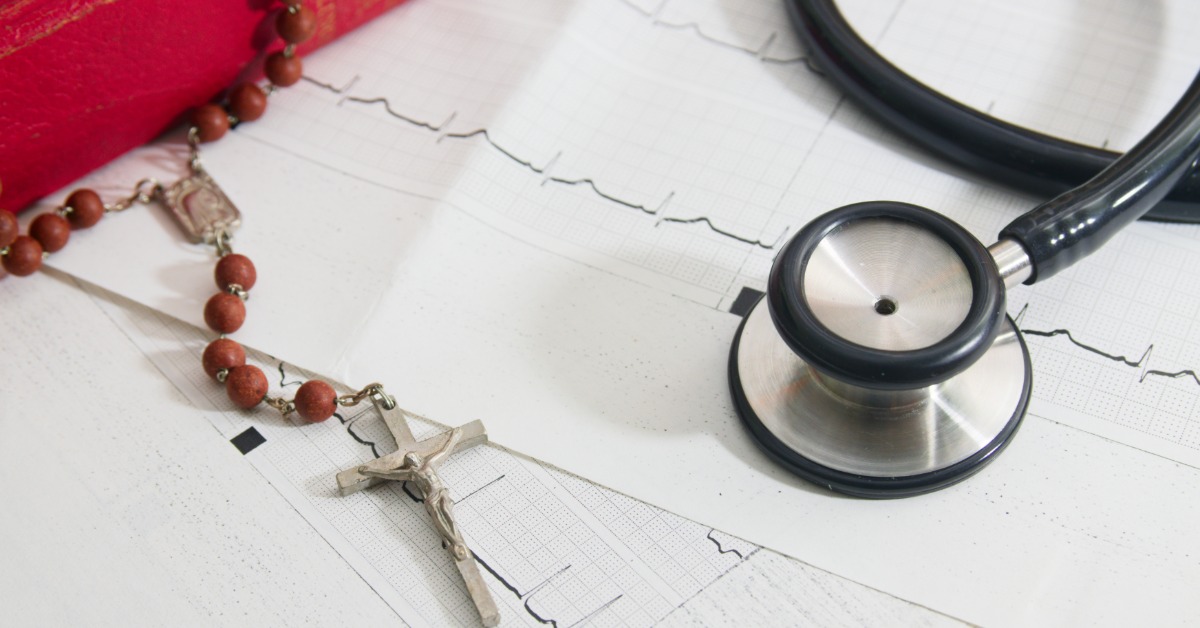
When a hospital has a religious name, patients can feel unsure about their legal rights. Does faith-based care change what the hospital owes you? Can a patient still bring a case after abuse by a doctor?
If you’re wondering about religious hospitals’ legal liability for doctor abuse, Tamara N. Holder breaks down what you need to know.

Yes. Patients at religious hospitals retain the same legal rights as patients at secular hospitals. Abuse committed during medical treatment can support both criminal investigations and civil claims.
If a doctor or staff member performed unnecessary intimate exams, touched a patient for sexual gratification, or coerced a patient into sexual conduct during treatment, they can be held legally liable for that abuse.
Liability can extend beyond the individual provider. A hospital may also face claims if it ignored prior allegations, failed to supervise employees, failed to investigate complaints, or allowed abusive conduct to continue. Courts evaluate whether the hospital acted reasonably to protect patients from foreseeable harm.

It may surprise you to learn that religious hospitals are held accountable the same way other hospitals are when a patient alleges abuse. Many people believe they can avoid liability due to legal exemptions.
While it’s true that religious hospitals receive some legal exemptions that secular hospitals don't, these mainly relate to medical neglect claims when the care at issue goes against religious doctrine. The most common examples involve reproductive care and end-of-life treatment. A religious hospital may refuse to provide abortion care, sterilization, certain fertility services, or life-ending treatment based on faith-based rules.
Other exemptions may involve:
Those exemptions don’t apply to abuse. Hospitals don’t get a free pass to harm patients just because they operate under a religious name.
You can bring a claim against a religious hospital the same way you would against any other hospital. But it’s important to bear in mind that bringing a case can be more difficult than filing a claim against a secular institution, for a number of reasons. For example, patients may fear backlash from their faith community, or they may worry that people will blame them for speaking out against a religious institution.
For these reasons, survivors can greatly benefit from the guidance of an experienced lawyer. Let’s take a look at how a case against a religious hospital might proceed and how a lawyer can help guide you through it.
A religious hospital owes patients a duty of care once it accepts them for treatment. That duty includes keeping patients reasonably safe during medical care. The hospital can’t avoid this duty because its mission is faith-based. A lawyer will connect the abuse to the hospital’s role in the treatment setting.
A breach happens when the hospital fails to meet its legal responsibility to the patient. This can include allowing unsafe access to patients, ignoring complaints, or failing to respond after misconduct was reported. The focus isn’t only on what the provider did. It also includes what the hospital allowed to happen.
A civil case must show that the abuse caused harm. That harm may include physical injury, emotional distress, lost trust in medical care, or the need for trauma treatment. A lawyer can help present these effects in a way the court can understand without forcing the survivor to carry the whole burden alone.
The abusive provider may be named in the case. The hospital may also be named if its own conduct helped create the danger or allowed the abuse to continue. Religious hospitals can have layered ownership structures, so the claim must name the correct legal entity. A lawyer can identify who controlled the facility, employed the provider, and held responsibility for patient safety.
Prior notice can become important when a survivor brings a claim against the hospital itself. The question is whether the hospital knew, or should’ve known, that the provider posed a danger to patients. A lawyer can investigate earlier complaints, internal reports, and disciplinary history. Prior notice can show that the hospital had a chance to prevent harm and failed to act.
Civil claims have filing deadlines. A lawyer can review when the abuse happened, when the survivor recognized the harm, and which deadline applies. Missing the deadline can block the case, even when the underlying abuse was real.
Religious hospitals may argue that the provider acted outside the scope of employment. They may also argue that the institution had no reason to know abuse would occur. A lawyer can respond by focusing on the hospital’s control over the care setting and its responsibility to protect patients during treatment. The case doesn’t depend only on the hospital’s mission statement. It depends on what the hospital did before, during, and after the abuse.
If you experienced abuse as a patient of a religious hospital, know that their faith-based status doesn’t preclude them from being held legally accountable. Religious hospitals are subject to the same civil liability rules when a patient is harmed by sexual misconduct during medical care. You can seek justice for any abuse done against you during your treatment.
Tamara N. Holder and her team can help you with that. Holder is a lawyer who handles cases involving gynecologist sexual assault. If you feel you were abused or violated during an exam, reach out to discuss your case with our legal team. We can provide compassionate support, explain your options, and fight together with you to pursue accountability.